a community’s ongoing struggle
The story of Wards Corner and Seven Sisters Market is a story of trade, migration, community and resistance. For more than a century, the building at the junction of Seven Sisters Road and Tottenham High Road has adapted to the changing communities around it — from an Edwardian department store to a market that became an important social, cultural and economic home for migrant and diaspora communities across London.
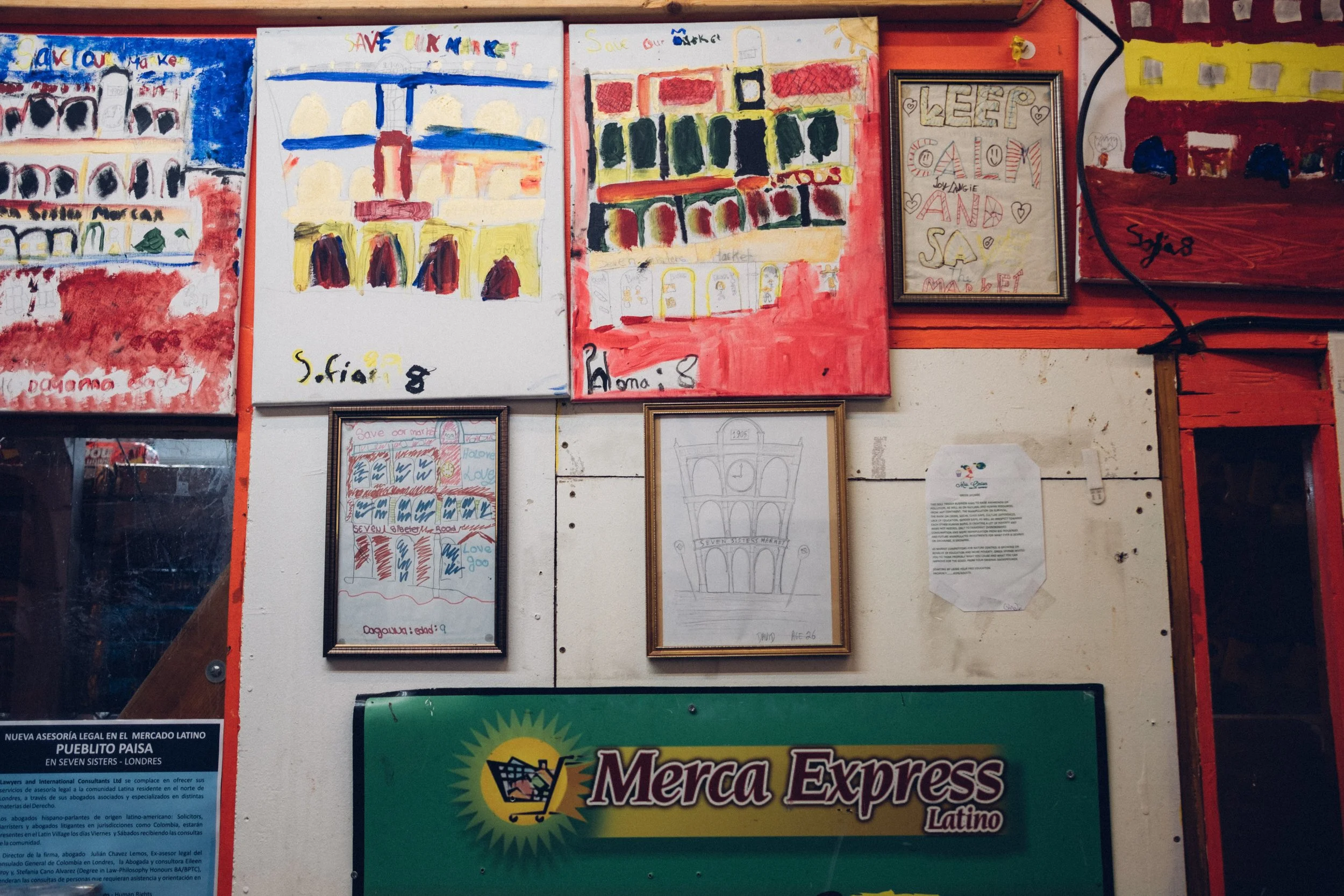
It is also the story of a community that organised for almost two decades to protect the Market from demolition and displacement — and fought for the right to have a say in what should happen to Wards Corner.
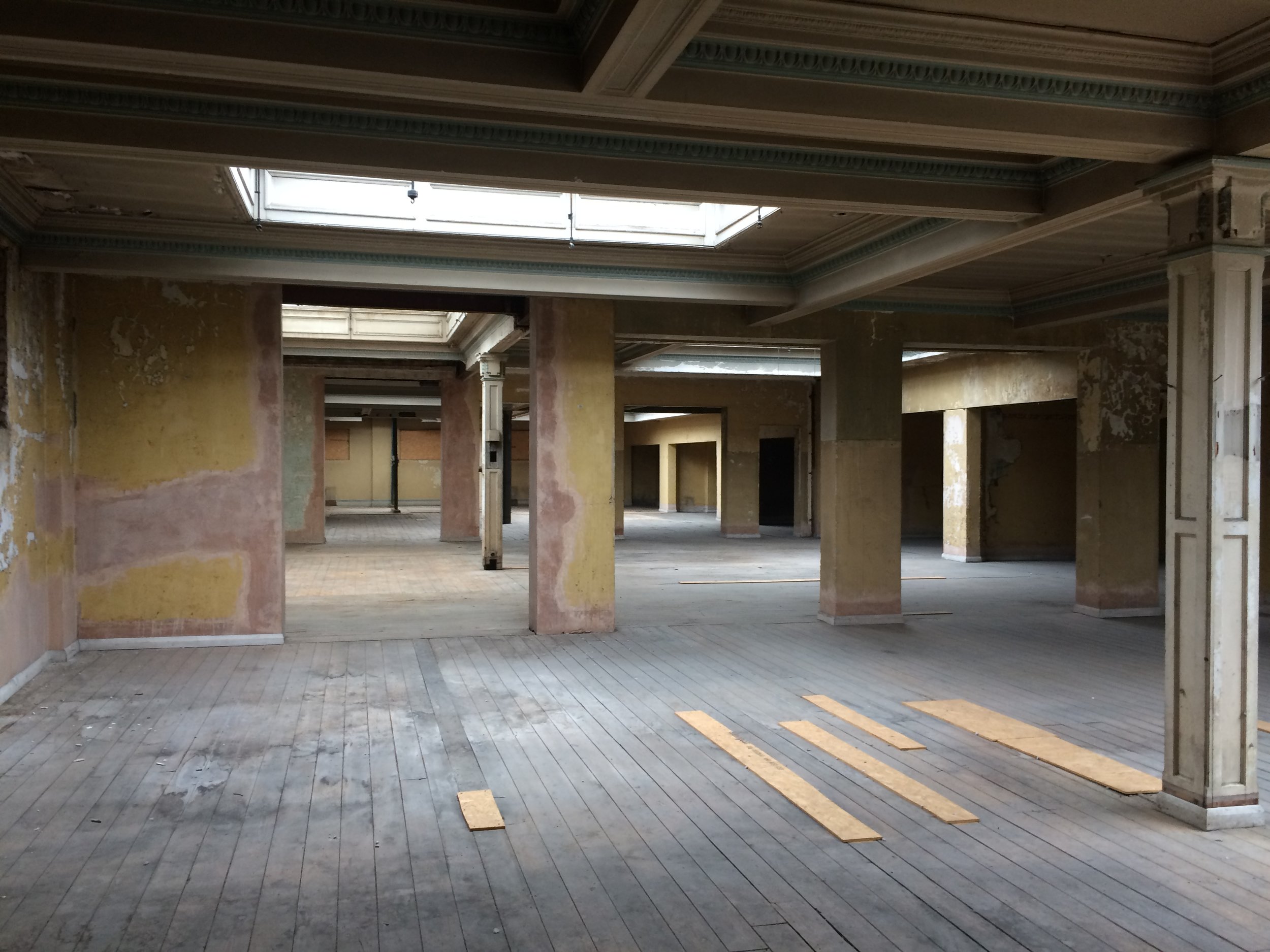
The Wards Corner Building
Wards Corner sits at the foot of Tottenham High Road in the London Borough of Haringey. Historically, Tottenham High Road formed one of the main routes in and out of London, establishing the Seven Sisters junction as an important commercial and transport hub shaped by trade, movement and local business.
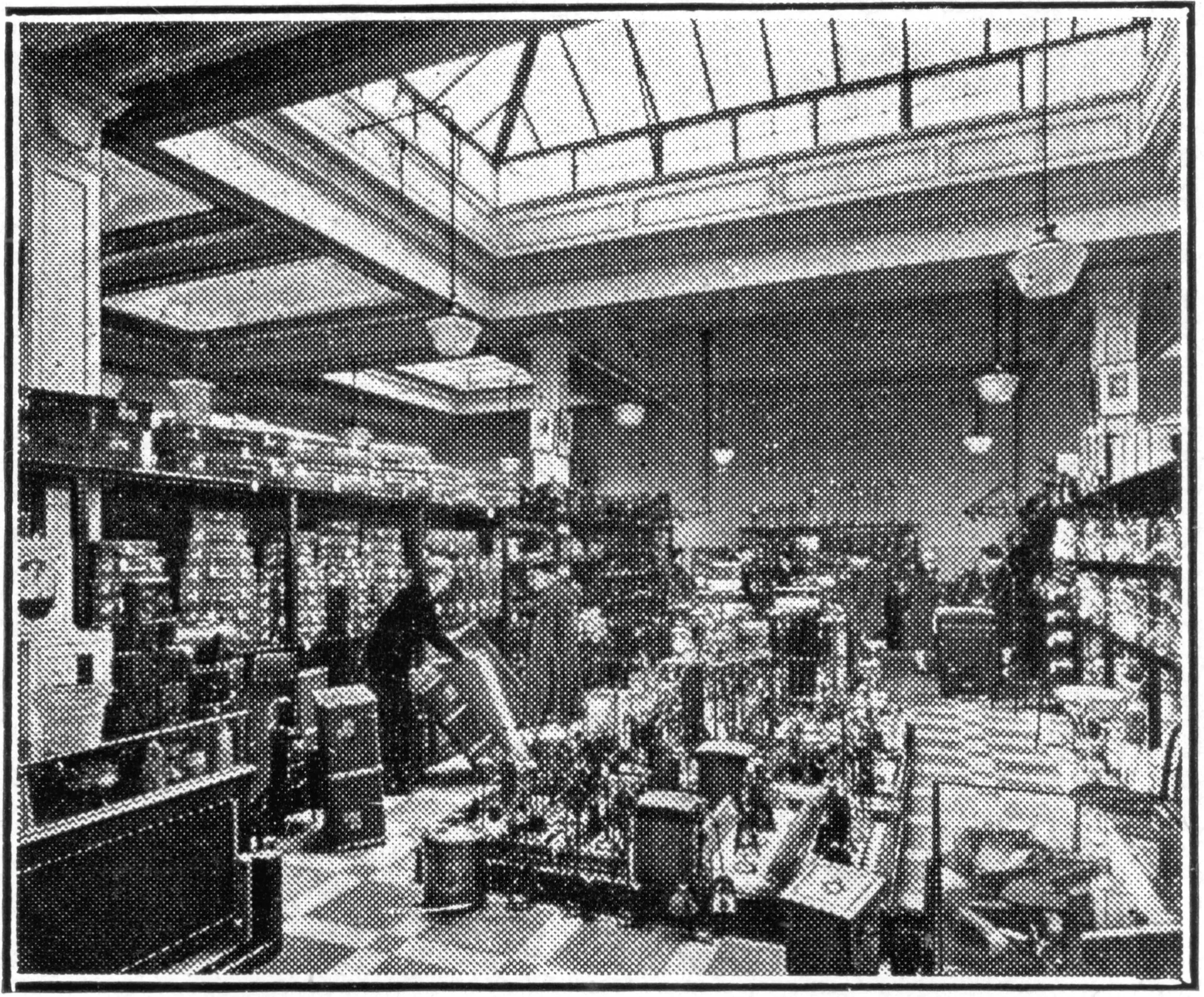
The locally listed Edwardian corner building, together with its remodelled residential terraces, opened in 1901 as Wards Department Store. At the time, it was regarded as one of the grand department stores of North London and became an important landmark within Tottenham's social and commercial history.
For generations, the store served the surrounding community before eventually closing in 1972, shortly after the opening of the Victoria Line transformed connections between Tottenham and central London.
In 1973, the site was acquired by the transport authority through a Compulsory Purchase Order. From the mid-1980s onwards, the ground floor became home to a growing number of independent traders who gradually transformed the space into what is now known as Seven Sisters Market.
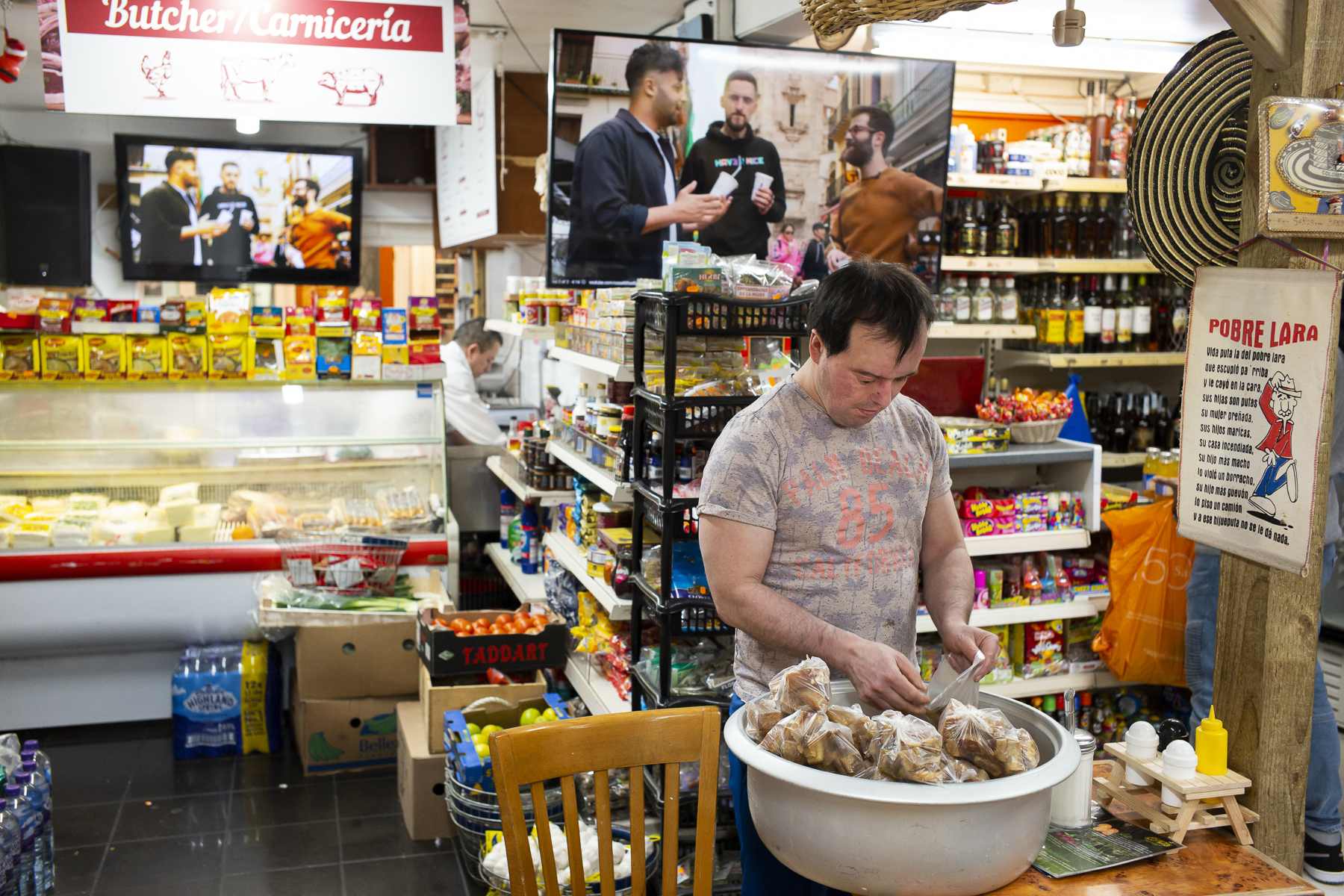
The Market developed organically over several decades, adapting to the social, economic and cultural needs of the communities around it. Initially serving significant African and Caribbean communities in Tottenham and the surrounding areas, it increasingly became an important centre for Latin American businesses, traders and customers as migration patterns in London changed, particularly for the Colombian and wider Latin American diaspora.
Today, Wards Corner represents an important part of Tottenham's living heritage — not only because of the historic building itself, but because of the communities, cultures, businesses and social networks that have continually reinvented and sustained it.



A Home Away From Home
Over time, Seven Sisters Market became much more than a place to shop. Recognised as an Asset of Community Value by Haringey Council since 2014, the Market has supported dozens of independent businesses and livelihoods while becoming an important destination for diverse migrant and diaspora communities from across London.
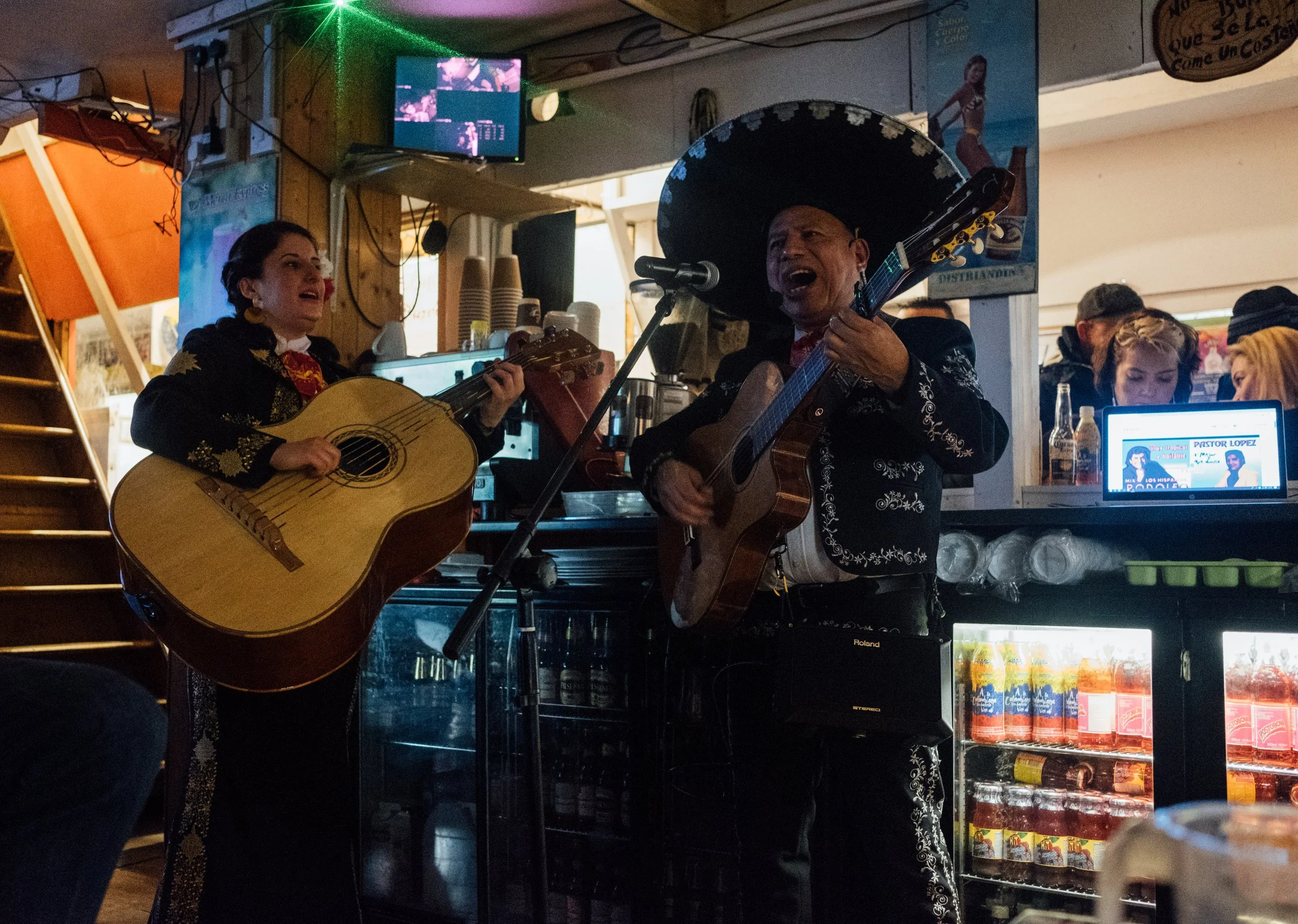
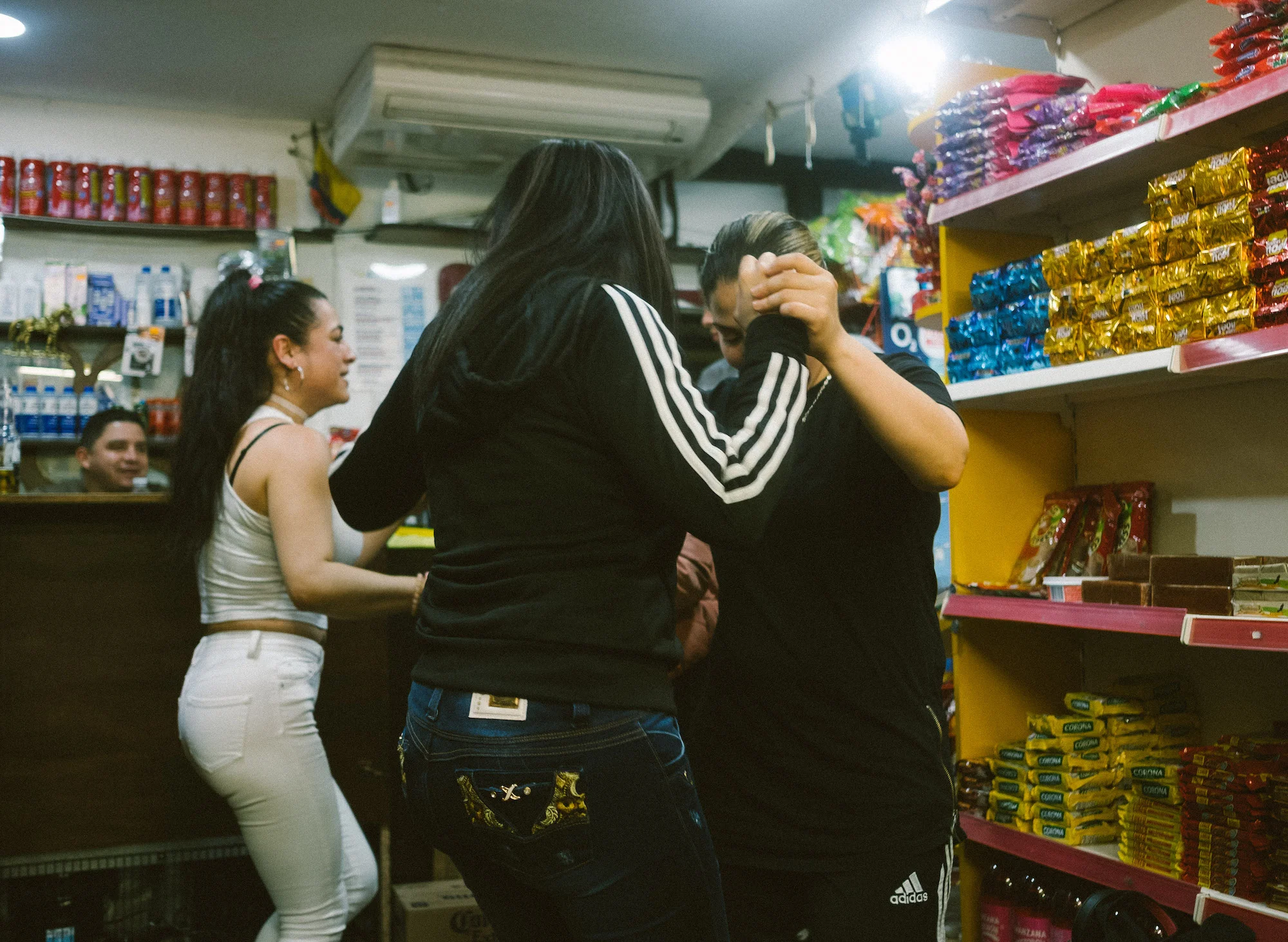
While many of its businesses are run by or primarily serve Latin American communities, the significance of the Market extends far beyond any single community. People travel from across London — and from outside the city — to find particular foods, services, languages and cultural experiences, but also something less tangible: a sense of familiarity and belonging.
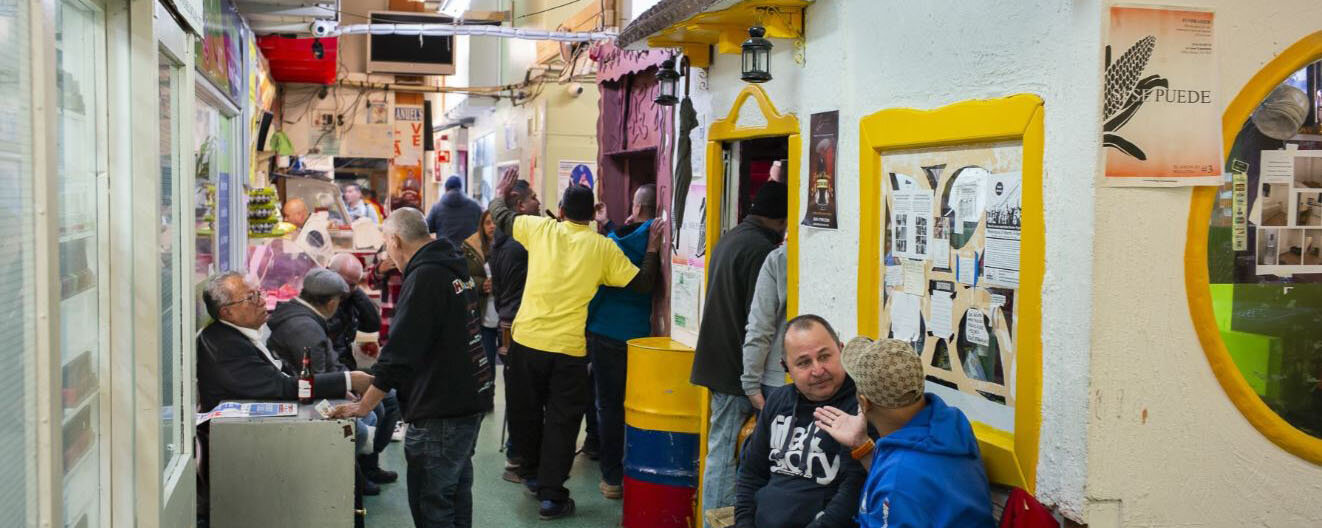
Independent supermarkets, cafés, restaurants, hairdressers, beauty businesses and other shops coexist with an informal infrastructure of knowledge, care and mutual support.
Over the years, traders and business owners have helped people navigate housing and employment, find opportunities, understand immigration processes, learn languages, access education and take their first steps towards starting their own businesses. Conversations across counters and café tables have created networks connecting newly arrived migrants with long-established communities.
In this way, Seven Sisters Market became a community anchor: somewhere people could maintain cultural connections, exchange knowledge, build relationships and find support while making a life in London. This social infrastructure cannot easily be separated from the physical Market. It has been created through years of everyday encounters, relationships and collective experience within the space.
Protecting Seven Sisters Market therefore came to mean protecting much more than a collection of businesses. It meant protecting a living cultural, social and economic ecosystem.



The Fight for Wards Corner
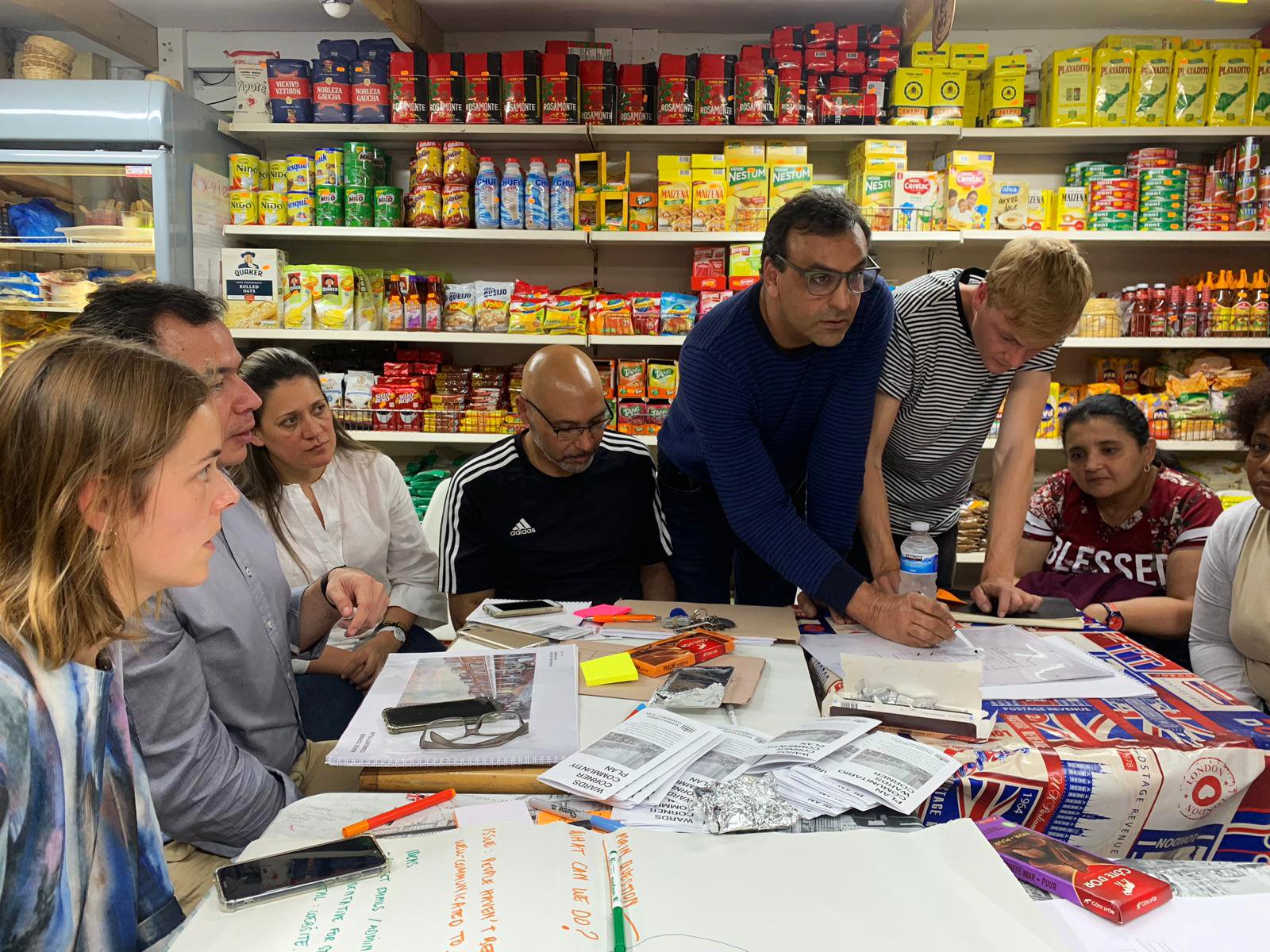
For almost two decades, the future of Wards Corner was the subject of an intense struggle over regeneration, displacement and who should have the power to shape the future of the area. Redevelopment proposals threatened the demolition of the historic Wards Corner building and the displacement of Seven Sisters Market. In response, traders, residents, architects, activists and community organisations came together to defend the Market.
What began as resistance to demolition developed into a much broader movement concerned with the cultural and economic value of the Market, the rights of migrant and working-class communities, the protection of independent businesses and the role communities should play in decisions about urban development.
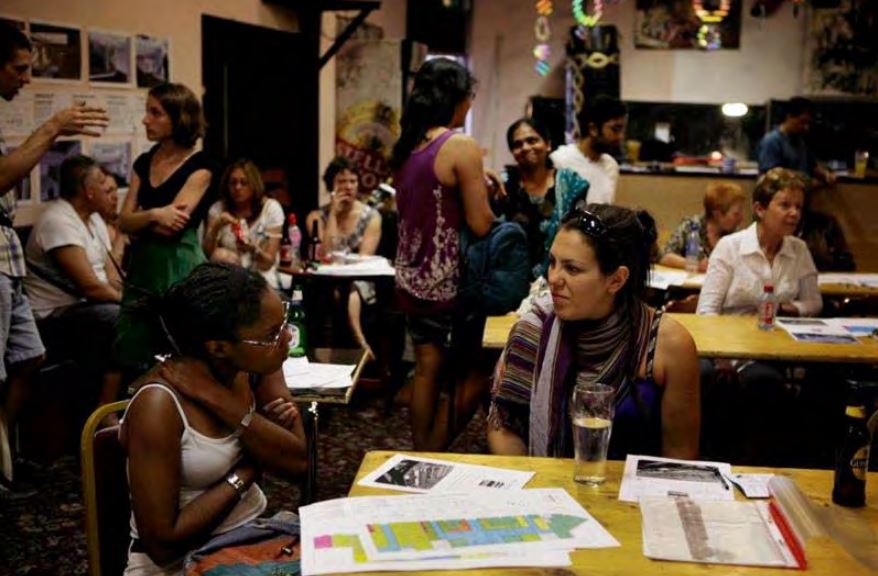
Campaigners organised demonstrations, public meetings, cultural events and community actions. They engaged with planning processes, produced research, built alliances and worked to make visible what conventional approaches to regeneration risked losing.
Campaigns including Save Latin Village also helped bring wider recognition to the significance of Seven Sisters Market and to the contribution of Latin American communities to London.
But the struggle was never simply about opposing development. The community also began developing its own proposals for Wards Corner, demonstrating that protecting the existing Market and investing in the future of the site did not have to be opposing ambitions.
These ideas would become the basis of the Wards Corner Community Plan — a community-led alternative that has continued to evolve alongside the campaign.
A Turning Point
One of the most significant moments in the struggle came in 2016, when the Compulsory Purchase Order associated with the redevelopment proposals was successfully defeated. For the traders, residents and campaigners who had spent years defending Wards Corner, this represented an important victory.
But the campaign did not end there. The future of the Market remained uncertain, and community organising continued through changing redevelopment proposals, planning processes and negotiations over the future of the site. Throughout this period, the campaign continued to argue that Seven Sisters Market could not be understood simply in terms of land or development value. It was already a place of economic activity, cultural significance, social infrastructure and collective memory.
Over time, the conditions around Wards Corner began to change. The previous redevelopment approach eventually came to an end, opening the possibility of a fundamentally different conversation about the future of the site.
From Saving the Market to Shaping Its Future
The fact that Seven Sisters Market remains today is the result of years of persistence, organising and collective action. Generations of traders, residents, campaigners, activists, architects and community organisations challenged the idea that regeneration had to mean the loss of the existing Market and the displacement of the communities that had made it their own.
In doing so, the campaign achieved something beyond protecting a building. It created knowledge, relationships, networks and a shared vision for what a different kind of development could look like.
Today, Wards Corner is entering a new chapter. The question is no longer simply how to stop the Market from disappearing, but how to build on everything that was fought for and collectively shape what comes next. That is where the Wards Corner Community Plan continues the story: carrying the principles and ambitions developed through years of struggle into the design, stewardship and everyday life of the future Market.